

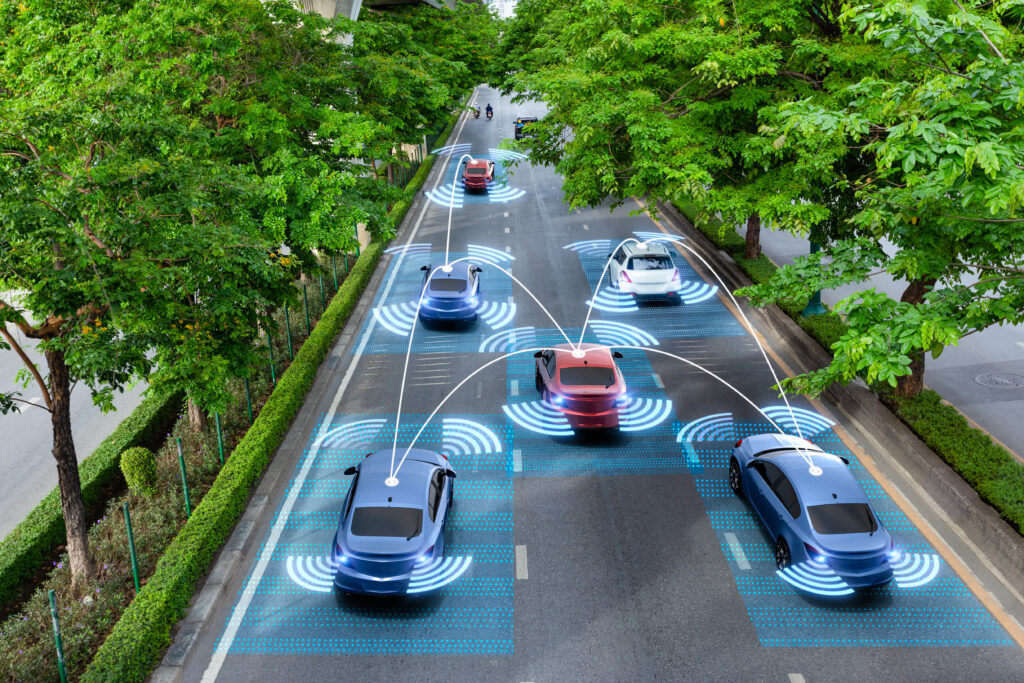
The traditional concept of the automobile as a purely mechanical machine is rapidly fading. Today, vehicles are shifting into sophisticated, internet-enabled mobile data nodes. This transformation is driven by the rise of smart cars and connected driving ecosystems, which fundamentally alter how drivers interact with their vehicles and the surrounding environment. Driven by advancements in artificial intelligence, fifth-generation cellular networks, and cloud computing, modern cars are evolving into intelligent digital companions that prioritize occupant safety, convenience, and predictive care.
This digital shift is reshaping the entire automotive sector. Vehicles now possess the ability to communicate with municipal infrastructure, detect mechanical wear before a breakdown occurs, and receive performance enhancements while parked in a residential driveway. As automotive manufacturers prioritize software over traditional hardware upgrades, the driving experience is becoming highly personalized, interactive, and intrinsically linked to the broader digital world.
The Core Pillars of Vehicle Connectivity
The modern connected car relies on a web of communication frameworks collectively known as Vehicle-to-Everything connectivity. This architecture allows a vehicle to share information almost instantaneously with various external entities, forming the foundation of intelligent transportation systems.
Vehicle-to-Vehicle Communication
Vehicle-to-Vehicle communication enables cars within a specific radius to exchange critical telemetric data, including real-time speed, geographical coordinates, direction of travel, and sudden braking actions. By broadcasting this information multiple times per second, nearby vehicles can anticipate hazards long before they enter the human driver’s field of vision. For example, if a vehicle three cars ahead initiates an emergency stop, trailing cars are immediately notified, allowing automated driver-assistance systems to apply the brakes and prevent a chain-reaction collision.
Vehicle-to-Infrastructure Networks
Vehicle-to-Infrastructure technology links smart cars with municipal roadway systems, including traffic signals, toll booths, construction zones, and parking garages. Through this network, vehicles receive real-time updates regarding signal timings, enabling systems to recommend an optimal speed to catch a green light wave. This synchronized interaction drastically reduces urban gridlock, minimizes unnecessary idling, and lowers tailpipe emissions in dense metropolitan corridors.
Vehicle-to-Network and Cloud Integration
Vehicle-to-Network frameworks link the automobile directly to cellular networks and centralized cloud servers. This persistent connection fuels high-bandwidth operations, including real-time navigation mapping, streaming infotainment options, and weather notifications. It also provides the pipeline through which vehicle data analytics are aggregated and evaluated by automotive manufacturers to monitor fleet-wide performance.
Software-Defined Vehicles and Over-the-Air Updates
One of the most profound shifts in modern automotive engineering is the transition toward software-defined vehicles. Historically, a car remained technically identical from the day it left the factory floor until it reached the scrap yard, save for physical repairs. Today, the integration of central computing architectures allows a vehicle’s capabilities to expand continuously through digital updates.
Over-the-Air updates utilize cellular or wireless networks to deliver software patches, security upgrades, and entirely new features directly to the vehicle. This operational model offers massive benefits to both the manufacturer and the vehicle owner:
-
Elimination of Physical Recalls: If a software bug is detected within an engine management component or infotainment system, manufacturers can deploy a global patch overnight, removing the need for customers to schedule inconvenient dealership service appointments.
-
On-Demand Feature Activation: Owners can unlock specific hardware capabilities long after purchasing the vehicle. Features such as heated seats, extended battery range, upgraded navigation graphics, or advanced semi-autonomous driving modes can be purchased and activated via a smartphone application.
-
Continuous Performance Optimization: Updates can recalibrate electric motor efficiency, refine ride comfort by altering adaptive suspension settings, and improve the sensitivity of onboard safety sensors based on real-world driving data.
Artificial Intelligence and the Adaptive Cabin Experience
The interior of the modern smart car has evolved from a static arrangement of dials and buttons into a responsive, intuitive environment governed by artificial intelligence. By leveraging machine learning models and cabin sensors, vehicles can analyze driver behavior, anticipate individual preferences, and adjust internal conditions without human prompting.
Intelligent voice assistants form the primary interface for this adaptive environment. Utilizing natural language processing, these systems allow occupants to control climate settings, adjust audio configurations, and query navigation databases using casual speech patterns, eliminating the need to look away from the road to operate touchscreens.
Furthermore, behavioral learning algorithms allow the vehicle to create highly customized driver profiles. When a specific driver enters the vehicle, the car recognizes them via biometric indicators or smartphone syncs, immediately adjusting the seat position, steering wheel height, mirror angles, and ambient lighting. Over time, the artificial intelligence tracks routine habits, such as identifying a daily commute route, suggesting a preferred morning podcast, or automatically activating cabin pre-conditioning based on typical departure times and local weather forecasts.
Predictive Maintenance and Remote Vehicle Diagnostics
Connected cars have significantly reduced the anxiety associated with unexpected mechanical failures through the deployment of predictive maintenance systems. Modern vehicles are embedded with hundreds of specialized sensors that constantly monitor the health of critical systems, including the powertrain, braking components, battery health, and tire pressure.
Instead of relying on static milepost recommendations or waiting for a warning light to illuminate on the instrument cluster, predictive platforms analyze real-time operational data to project exactly when a component will approach its failure threshold. For instance, if an electric vehicle’s thermal management system detects an unusual temperature variance within a specific battery module, the vehicle alerts the driver to the issue.
Simultaneously, the car can communicate with a preferred service center, verify the availability of the required replacement parts, and prompt the driver to schedule an appointment via the dashboard interface. This proactive approach prevents costly secondary damage, extends the operational lifespan of the vehicle, and ensures that drivers are never left stranded by a sudden mechanical breakdown.
Cybersecurity Challenges in the Era of Connected Cars
While the proliferation of smart car technologies introduces unprecedented convenience, it also expands the digital attack surface of the vehicle, making cybersecurity a primary focus for automotive engineers. Because connected cars rely on external cellular, wireless, and short-range radio signals, they face distinct vulnerabilities that must be rigorously managed to guarantee occupant safety and data integrity.
Securing the Vehicle Control Network
The primary concern regarding connected vehicles is preventing unauthorized access to the internal Controller Area Network bus, which regulates critical driving functions such as steering, braking, and throttle modulation. If a malicious actor successfully breaches the vehicle’s external gateway, such as an infotainment system or a wireless diagnostic port, they could theoretically send rogue commands to these vital mechanical systems. To counter this threat, manufacturers deploy hardware-based cryptographic security modules, strict network segmentation, and real-time intrusion detection software to isolate entertainment systems from safety-critical architectures.
Protecting Consumer Privacy and Telemetry Data
Connected vehicles generate massive volumes of sensitive data hourly, including precise geographic location history, biometric profiles, driving habits, and synced smartphone contacts. This concentration of private details makes vehicle databases an appealing target for unauthorized surveillance and data breaches. Automakers are adopting advanced data anonymization techniques, localized edge computing processing, and transparent consumer consent portals to ensure that drivers retain control over how their personal information is stored, processed, and shared with third-party service providers.
Frequently Asked Questions
How do connected cars maintain internet access when traveling through remote or rural areas?
Connected cars generally utilize built-in cellular modems that link to terrestrial networks. When driving through remote areas with weak cellular coverage, the vehicle relies on internal cached data for navigation mapping and switches to local short-range sensors for immediate driver-assist safety functions. Additionally, advanced vehicles are increasingly incorporating supplementary satellite connectivity options to maintain critical emergency communication channels and basic telemetry tracking even in complete cellular dead zones.
Do smart vehicle connectivity features continue to function if a manufacturer goes out of business?
If an automotive manufacturer closes operations, the core mechanical and onboard sensor-driven safety features of the car will continue to work normally. However, cloud-dependent services, such as real-time traffic updates, remote mobile application controls, and over-the-air software updates, will eventually cease functioning once the company’s dedicated servers are permanently taken offline, unless a third-party technology provider acquires and maintains the infrastructure.
Can a connected car be tracked or remotely disabled by local law enforcement agencies?
Technologically, connected vehicles equipped with active telematics units can share precise location coordinates and receive remote immobilization commands. However, the execution of these capabilities by law enforcement is strictly regulated by state and federal legal frameworks. Law enforcement agencies typically require an official warrant or a verified emergency request involving vehicle theft or immediate public danger before an automaker can legally track or disable a vehicle remotely.
What happens to a smart car’s internal data when the owner decides to sell the vehicle?
To protect personal privacy, modern smart cars include a factory reset or digital unlinking function within the settings menu of the infotainment system. Executing this procedure completely wipes saved navigation destinations, synced phonebooks, garage door opener codes, and personal driving profiles from the vehicle’s local memory. It also revokes access privileges from any previously linked smartphone applications, ensuring the secondary buyer cannot interact with the car remotely.
How do aftermarket electronics affect the cybersecurity framework of a smart car?
Plugging unverified third-party hardware devices into a vehicle’s onboard diagnostic port or installing unapproved infotainment modifications can introduce major security vulnerabilities. These aftermarket components often lack the rigorous cryptographic security standards mandated by original equipment manufacturers. If compromised, they can act as an insecure bridge, allowing external hackers to bypass the car’s primary firewalls and access the internal vehicle network.
Does vehicle-to-everything communication increase the premium costs of automotive insurance?
Initially, the inclusion of complex connectivity modules can increase specialized repair costs following an accident, which may influence base insurance premiums. However, over the long term, the collision-avoidance capabilities of vehicle-to-everything communication significantly lower accident rates. Furthermore, many insurance providers now offer usage-based discounts to drivers who consent to sharing their real-time connectivity data, rewarding safe driving habits with reduced premium rates.
Will old road infrastructure prevent smart cars from using their safety systems?
No, smart vehicles are designed to operate autonomously using their localized sensor suites, which include cameras, radar, and lidar. While vehicle-to-infrastructure connectivity enhances situational awareness by providing advanced warning of upcoming traffic dynamics, the vehicle’s primary safety systems, such as automated emergency braking and lane-keeping assistance, function perfectly well on traditional, un-networked road systems by relying entirely on real-time visual and spatial data tracking.