

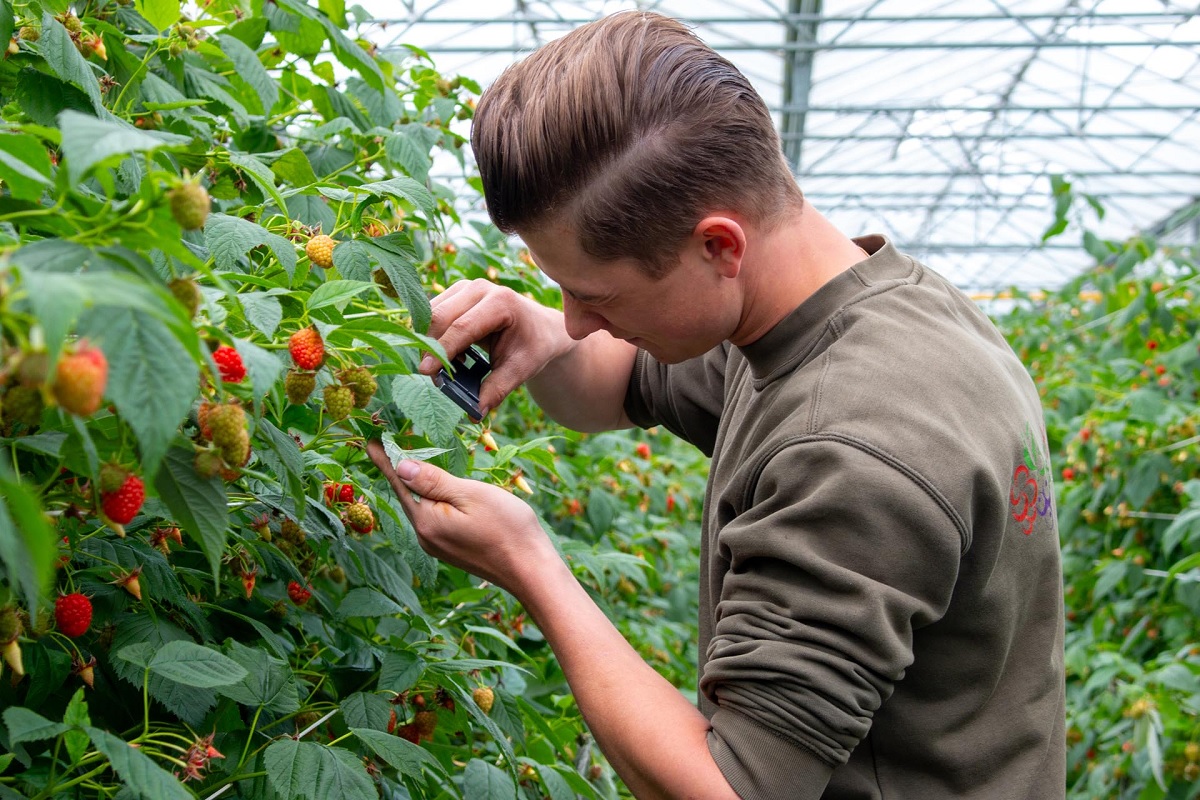
Extending the usability of picked fruit not only reduces waste but also maximises the return on effort invested in cultivation. This article outlines ten practical tricks to preserve the quality of fruit from trees such as apples, pears and plums, drawing on established horticultural practices adapted to the UK’s variable climate. By focusing on variety selection, handling and storage, these methods can help maintain freshness for weeks or even months, allowing for steady enjoyment through winter.
For those establishing or refreshing an orchard, sourcing appropriate stock is key. Fruit trees for sale from specialist suppliers ensure access to varieties suited to local conditions, with robust rootstocks that support longevity. The fruit trees experts at ChrisBowers advise that prioritising cultivars with inherent storage potential forms the foundation of any preservation strategy, as not all fruits ripen uniformly or hold their condition post-harvest. They emphasise the value of long-storing apple varieties in bridging seasonal gaps, recommending integration into mixed plantings for continuous yield.
These tricks build on such foundations, offering actionable steps without requiring specialist equipment. They emphasise low-cost, accessible techniques that align with sustainable gardening principles promoted by organisations like the Royal Horticultural Society. Whether managing a small backyard plot or a larger allotment, implementing a combination of these approaches can transform a fleeting bounty into a sustained supply.
Selecting Varieties for Extended Yield
The first step in prolonging harvest usability lies in the orchard’s composition. Trick one involves choosing late-season varieties that naturally delay ripening, ensuring fruits remain on the tree longer without over-maturing. In the UK, where autumn frosts can arrive by mid-October, opt for apples like Braeburn or Idared, which develop full flavour in November and store reliably into spring. These selections counteract the rapid decline seen in early croppers such as Discovery, which must be processed quickly after picking in August.
Complement this with trick two: establishing succession planting. By interspersing early, mid and late varieties—such as James Grieve for September, Cox’s Orange Pippin for October and Winston for December—gardens achieve staggered harvests. This method spreads picking over two months, reducing pressure on storage facilities. Data from the East Malling Research centre indicates that diversified orchards yield 20-30% less waste, as fruits enter storage at optimal maturity stages. For new plantings, consider spacing: dwarf rootstocks like M27 for apples allow dense arrangements in confined spaces, fitting urban gardens in regions like the Midlands or Scotland.
Practical implementation requires soil assessment; UK’s clay-heavy soils in the south-east benefit from raised beds to improve drainage, preventing root rot that shortens tree lifespan. Pruning annually in late winter shapes canopies for even light distribution, promoting uniform ripening. Gardeners in wetter areas, such as the Lake District, should select scab-resistant strains to minimise chemical interventions, preserving fruit integrity. Over time, this variety-focused approach not only extends usability but enhances biodiversity, attracting pollinators essential for consistent yields.
Monitoring progress involves simple records: note first fruit drop as a harvest cue, adjusting for microclimates. In coastal areas like Cornwall, milder winters permit bolder choices like pear Conference, which stores until February if picked firm. This foundational strategy sets the stage for subsequent tricks, ensuring the raw material enters preservation in prime condition. By investing thoughtfully in genetics, British growers can sidestep common pitfalls like bulk ripening, turning potential surplus into a controlled resource.
Mastering Harvest Timing and Handling
Timing the pick influences storage potential profoundly. Trick three centres on the ‘lift test’: gently cup a fruit and raise it; if it detaches easily, it’s ready, avoiding stem tears that invite decay. For apples, this typically occurs when 80% of the crop shows colour, around 120-150 days post-bloom in southern England. Northern regions may delay by two weeks due to cooler temperatures, so local weather apps provide precise forecasts to preempt rain-induced cracking.
Pair this with trick four: minimising physical stress during collection. Use padded baskets lined with newspaper to cushion against bruising, a leading cause of early spoilage. Research from the University of Reading shows that bruised apples respire 50% faster, accelerating rot in humid storage. Employ clippers for clean severance rather than twisting, particularly on brittle branches of older trees. In practice, harvest on dry days, processing windfalls separately for immediate use in chutneys to salvage value.
For plums and gages, which soften quickly, chill picked fruits at 4°C within hours to halt ethylene production—a gas that hastens ripening in nearby produce. British allotments often overlook this, leading to batch losses; a dedicated fridge drawer suffices for small yields. Scale up with community shares: excess can be traded at local markets, extending ‘harvest’ through barter.
These techniques demand routine: weekly checks from mid-August flag readiness, preventing overload. In frost-prone areas like East Anglia, fleece covers protect late hangers, buying extra days. Overall, precise handling preserves cellular structure, vital for subsequent storage. Gardeners report 40% longer shelf life with these habits, underscoring their efficiency in resource-limited settings.
Creating Ideal Storage Environments
Environment controls decay rates. Trick five utilises controlled atmospheres: seal fruits in perforated plastic bags within a garage or shed maintained at 0-4°C and 85-90% humidity. Apple’s ideal mimics root cellar conditions, achievable with damp cloths over crates. In the UK’s damp climate, ventilation prevents mould; apple crates stacked on slats allow air flow, checked bi-weekly for soft spots.
Trick six introduces humidity hacks: place a bowl of water near storage, topped with damp sponges, to stabilise moisture without excess wetness. For pears, which require warmer 1-3°C starts before cooling, layer in boxes with straw insulation. Trials by the National Fruit Collection at Brogdale confirm this extends viability by 60 days for varieties like Doyenné du Comice.
Adapt to space constraints: under-stair cupboards in terraced homes work if lined with foil for temperature buffering. Avoid attics, where fluctuations spike ethylene. For larger hauls, communal cold stores at allotments distribute risk. Pears benefit from ethylene absorbers like potassium permanganate sachets, affordable via garden centres.
Routine maintenance includes rotation: first-in, first-out principle ensures even consumption. In variable winters, thermometers guide adjustments; apps like Garden Planner track conditions remotely. These setups not only prolong freshness but reduce energy use, aligning with UK sustainability goals. Gardeners in urban Wales find this trick transformative, converting modest yields into winter staples.
Employing Natural Preservation Techniques
Beyond storage, active methods lock in nutrition. Trick seven: dry slicing for shelf-stable snacks. Core and slice apples thinly, then air-dry on racks in a warm, airy room—central heating aids in November. This concentrates sugars, yielding chewy pieces lasting six months in jars. For plums, halve and stone before oven-drying at 50°C, a method endorsed by the Soil Association for nutrient retention.
Trick eight: simple freezing protocols. Blanch pears briefly to neutralise enzymes, then freeze in sugar syrup for texture preservation. Apples fare well grated for pies, bagged airtight to prevent freezer burn. UK freezers average 200 litres, accommodating 20kg yields; label with dates for FIFO use. Studies from Harper Adams University highlight 90% vitamin C retention versus canning.
Incorporate herbs: rosemary sprigs with drying fruits deter insects naturally. For British tastes, infuse vinegars with windfalls, creating salad bases stored indefinitely. These techniques suit rainy spells, when outdoor tasks pause. Community workshops, common in Devon, teach scaling for families.
Safety notes: sterilise jars via boiling, avoiding botulism risks. This preserves flavour profiles, like the tartness of Bramley, for year-round baking. By transforming surplus, these tricks cut waste, supporting circular gardening.
Exploring Culinary and Sharing Strategies
Value extends through transformation. Trick nine: batch cooking for preserves. Simmer excess into crumbles or compotes, portioned and frozen—ideal for Victoria plums yielding sauces until March. Recipes from the WI archives adapt to UK fruits, using minimal pectin for natural sets.
Trick ten: community distribution networks. Join apps like Olio or local Facebook groups to share gluts, effectively ‘storing’ via collective use. In the Home Counties, harvest festivals formalise this, reducing individual pressure. Track contributions for tax offsets under HMRC green schemes.
These strategies foster social bonds, with swaps introducing new varieties. For solitary growers, donate to food banks, deriving satisfaction from impact. Economically, home preserves save £50 annually per household, per Defra estimates.
Integrate with earlier tricks: store-cook hybrids like pre-sliced frozen batches streamline prep. In multicultural Britain, fuse traditions—Turkish dried figs alongside English apples. This holistic view redefines harvest as a year-long cycle, enhancing resilience.
Monitoring Progress and Adapting Practices
Sustained success requires vigilance. Beyond initial setup, trick implementation benefits from logging: note variety performance in a garden journal, adjusting for anomalies like 2024’s wet summer delaying picks. Digital tools, such as the RHS app, offer reminders for checks, integrating weather data for proactive shifts.
Annual reviews refine selections; discard underperformers, perhaps replacing with fruit trees for sale offering improved disease resistance. In evolving climates, heat-tolerant strains like Rubinette prove assets, storing amid warmer winters.
Peer networks amplify learning: allotment associations in Greater Manchester share logs, identifying regional tweaks. Metrics matter—aim for 70% yield utilisation, benchmarking against national averages.
Long-term, these habits build expertise, turning gardens into self-sufficient units. Adaptability ensures relevance, whether facing droughts or floods. By embedding monitoring, the ten tricks evolve, securing harvests for future seasons.
In summary, these ten tricks provide a comprehensive framework for British gardeners to extend fruit enjoyment. From variety choices to communal shares, each contributes to efficiency and sustainability. Implementing even half yields tangible benefits, fostering a deeper connection to seasonal rhythms.