

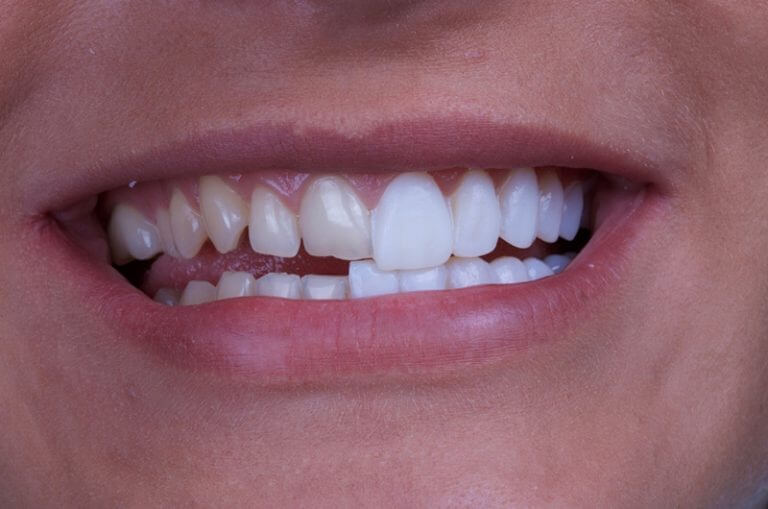
Once associated with overly bright, uniform smiles, veneers today are designed to blend seamlessly with natural teeth, facial features, and even personality. Patients are more informed, materials are more advanced, and clinicians are far more precise in how they plan and deliver cosmetic treatments. People who might once have chosen orthodontics or whitening now often consider veneers because they can correct colour, shape, spacing, and minor alignment in one carefully managed process.
Early in any cosmetic consultation, dentists now look beyond teeth alone. They consider how lips move, how light reflects, and how different textures appear in everyday conditions. That holistic approach is one reason veneers no longer look artificial. They are no longer about masking imperfections with a uniform surface but about enhancing what is already there in a way that remains believable at close range.
A short professional insight from a cosmetic dentist in London at MaryleboneSmileClinic also helps clarify why expectations have shifted. Dr Sahil Patel explains that modern veneers in London planning is driven by careful digital analysis rather than guesswork. “Patients can now preview outcomes before treatment begins, which makes the process more transparent and more predictable,” he says. “This kind of open communication reflects a broader move in London dentistry towards informed decision-making rather than cosmetic trends.
Advances in ceramic materials
One of the biggest reasons veneers now look more natural is the dramatic improvement in the materials used to make them. Early veneers relied on thicker, more opaque porcelain that reflected light differently from natural enamel. Modern ceramics are layered, translucent, and engineered to behave like real teeth when exposed to different lighting. That means they no longer appear flat or overly bright in photographs, which was a common giveaway in the past.
These newer ceramics are also stronger, allowing dentists to use thinner veneers. Because less tooth structure needs to be removed, the underlying tooth can still influence the final shade and depth of colour. This creates a more realistic effect, particularly around the edges where natural teeth are slightly translucent. It also means veneers move and wear more like enamel, helping them age more gracefully over time.
Laboratories in London now work closely with cosmetic dentists to customise each veneer at a microscopic level. Tiny variations in shade, texture, and surface anatomy are built in by hand. These small details mimic the way natural teeth develop subtle ridges and reflective patterns. When light hits the surface, it scatters in a way that looks familiar rather than artificial, which is why modern veneers rarely attract unwanted attention.
Digital smile design and planning
Another major shift has been the use of digital smile design. This technology allows dentists to map a patient’s face, teeth, and jaw in three dimensions before any treatment begins. Rather than choosing a standard veneer shape or size, the dentist can design each tooth to suit the individual’s proportions. The result is a smile that fits the person rather than a generic template.
Digital planning also helps avoid the overbuilt look that once characterised cosmetic dentistry. By measuring how lips move during speech and smiling, the dentist can ensure veneers do not appear too long or too thick. This is especially important in London, where patients often want subtle improvements that suit professional and social settings rather than dramatic transformations.
The planning process also makes it easier to combine veneers with other treatments. Someone who has lost a tooth and already has a dental implant London solution in place can still have veneers designed around it so the entire smile remains harmonious. This integrated approach means that even complex cases can look natural because every element is considered together rather than in isolation.
A more conservative approach to tooth preparation
Modern cosmetic dentistry places a strong emphasis on preserving natural tooth structure. In the past, dentists often removed more enamel than necessary to make room for veneers. This could compromise the health of the tooth and make the final result look bulky. Today, minimally invasive techniques are the norm, allowing veneers to sit more naturally on the tooth surface.
By keeping as much enamel as possible, dentists create a stronger bond between the veneer and the tooth. This not only improves durability but also affects how light passes through the tooth and veneer together. Natural enamel has a unique translucency that artificial materials cannot fully replicate on their own. Preserving it helps maintain a lifelike appearance.
This conservative philosophy also supports long-term oral health. Teeth that have been heavily reduced are more prone to sensitivity and damage. With modern techniques, patients can enjoy cosmetic improvements without sacrificing comfort or stability. The result is a smile that looks natural not just on the day of placement but for many years afterwards.
Individualised colour and texture matching
Natural teeth are not a single flat colour. They contain subtle variations, with slightly darker areas near the gum line and more translucent edges at the tips. Modern veneers are designed to replicate these features through careful colour matching and layering techniques. This makes them far less obvious than earlier generations of veneers, which were often a uniform shade of white.
Dentists now use advanced shade guides and digital photography to capture the exact tones of a patient’s existing teeth. These images are shared with dental technicians, who build the veneers to match. Even small details such as tiny surface lines or variations in gloss can be added to create a realistic look.
This level of customisation means veneers can blend seamlessly with neighbouring teeth, whether those are natural, crowned, or part of a dental implant London restoration. When all elements share the same visual language, the smile looks coherent rather than pieced together. For patients, this translates into greater confidence that their cosmetic work will not stand out for the wrong reasons.
Improved bonding and placement techniques
How a veneer is attached to the tooth is just as important as how it is made. Modern bonding systems create a strong, invisible seal between the veneer and the enamel. This prevents dark lines at the edges, which used to be a common problem and made veneers easy to spot.
Dentists also use magnification and precision tools to position veneers with exceptional accuracy. This ensures the margins sit flush with the tooth and the gums adapt naturally around them. When the fit is exact, there is no visible step or shadow that might betray the presence of a veneer.
Better bonding also contributes to a more natural feel. Patients often report that modern veneers feel like part of their own teeth rather than an added layer. This comfort encourages normal speech and chewing patterns, which in turn helps the veneers look more natural in everyday use rather than only in a static smile.
Aesthetic trends favouring subtlety
Public taste has shifted away from the overly bright, uniform smiles that were popular in the early days of cosmetic dentistry. In London especially, patients tend to prefer results that enhance their appearance without looking obviously altered. Dentists now design veneers with this cultural context in mind.
Subtlety means choosing shades that complement skin tone rather than simply aiming for the whitest possible colour. It also means preserving small, natural asymmetries that make a smile look real. Perfect symmetry can actually appear artificial, so modern cosmetic dentists often leave or even recreate tiny variations that give character to the teeth.
This approach aligns with broader trends in facial aesthetics, where natural-looking enhancements are valued over dramatic changes. Veneers are now part of an overall aesthetic plan rather than a standalone statement. The goal is for friends and colleagues to notice that someone looks refreshed or more confident, not that they have had dental work done.
Better long-term maintenance and aftercare
Finally, veneers look more natural today because they are designed to be maintained properly over time. Dentists now provide detailed aftercare plans, including cleaning techniques and regular reviews, to ensure veneers stay in good condition. Well-maintained veneers retain their shine and colour, which helps them continue to blend with natural teeth.
Professional cleaning and polishing remove surface stains without damaging the ceramic. This keeps the veneers looking as fresh as the surrounding teeth. When minor issues do arise, such as small chips or wear, they can often be addressed early before they affect the overall appearance.
This ongoing relationship between patient and dentist supports both aesthetics and oral health. Whether someone has veneers, crowns, or a dental implant London solution, consistent care ensures every part of the smile ages evenly. That continuity is one of the final pieces that makes modern veneers look convincingly natural long after they are placed.