

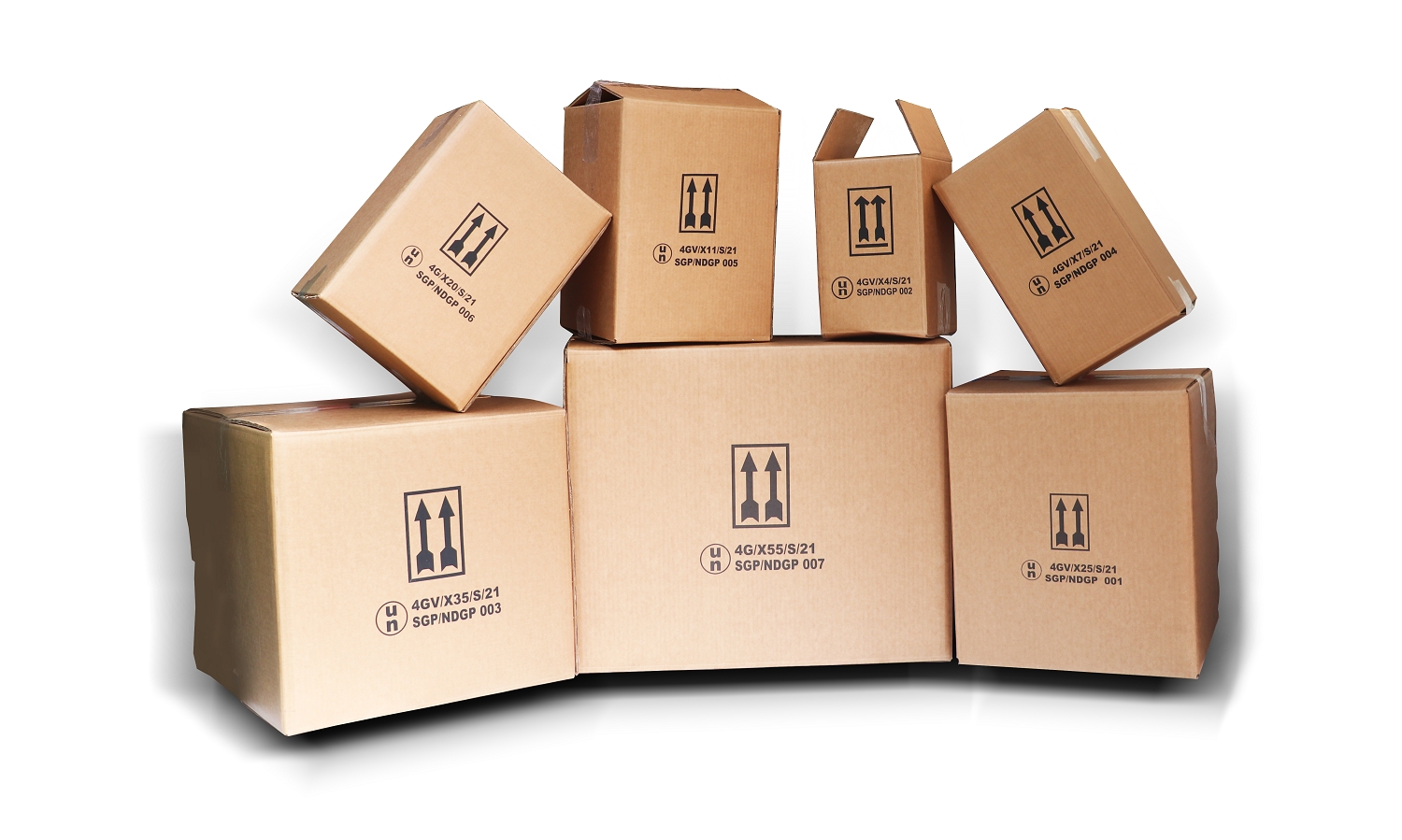
In our push for more sustainable and eco-friendly products, packaging innovation has become a battleground for authenticity. 4G packaging—praised for its promise of being biodegradable, chemical-free, and food-safe—is celebrated as the hero in the war against pollution. But is the narrative too good to be true?
Packaging is a crucial part of the modern consumer experience. For years, plastic and Styrofoam have been the gold standard, but they’re quickly fading into the background as eco-friendly alternatives make their way to the forefront. Among these alternatives, 4G packaging has been lauded for its environmentally friendly attributes. It’s a type of paperboard used in food packaging, known for its rigidity, printability, and ability to be safely incinerated post-use.
So, how truthful are the claims surrounding 4G packaging? Let’s unpack the fables.
1. Myth: 4G Packaging is Completely Biodegradable
The Biodegradability Conundrum
Many manufacturers promote 4G packaging as fully biodegradable, suggesting that once disposed of, the material will break down harmlessly in the environment. The reality, however, is far more complex. Biodegradability is a spectrum, and not all 4G materials decompose equally.
The Biodegradability Dilemma
While 4G materials often do decompose better than their plastic counterparts, they sometimes require specific composting conditions that may not be readily available in every environment. The presence of inks, adhesives, and coatings can also hinder the decomposition process.
Understanding the Claims
Consumers should be mindful that labelling a product as biodegradable doesn’t mean it will naturally disintegrate in a backyard compost bin or within a few months. To ensure transparency, producers must disclose the specific conditions required for biodegradation to occur.
The Spotlight on Certifications
Looking for third-party certifications such as OK Compost and the Biodegradable Products Institute (BPI) can help mitigate greenwashing and provide greater assurance of a product’s biodegradability. However, these certifications often come with limitations and a host of criteria that must be met.
2. Myth: 4G Packaging is Chemical-Free
The Hidden Chemicals
One of the biggest selling points of 4G packaging is the absence of harmful chemicals. The truth is more nuanced. While the base material of 4G packaging is generally paper, the manufacturing process often involves the use of certain chemicals, including bleaches and colorants.
Towards Transparency
Manufacturers should be transparent about the exact chemicals used in the production of 4G fibreboard box packaging. This way, consumers can make informed decisions based on the particulars of the packaging material. Understanding the chemicals involved can also shed light on their potential impact on the environment and human health.
The Role of Recycled Content
Another factor in the chemical composition is the use of recycled fibers. Though beneficial in reducing resource consumption, recycled content can sometimes introduce unwanted chemicals such as BPA and phthalates into the mix, which may have implications for food safety.
3. Myth: 4G Packaging is Safe for Food Contact
The Food Safety Puzzle
4G packaging is often assumed to be a safe material for direct food contact. But because it is porous, it can absorb liquid and food particles, which may lead to microbial growth and contamination.
The Permeability Factor
The permeability of 4G packaging can pose challenges, especially for items with high moisture content or that are prone to spoilage. Without proper barriers and additional safety precautions, there’s a risk that 4G packaging could compromise the integrity and safety of food products.
Protective Coatings and Barriers
To mitigate this risk, many 4G packaging products are treated with coatings or combined with additional materials to create a protective barrier. While this helps in making the packaging safer for food, it also complicates the disposal process due to the interconnected layers of materials that are harder to separate for recycling or composting.
4. Myth: 4G Packaging is Environmentally Friendly
The Eco-Friendly Quandary
The environmental friendliness of 4G packaging is often highlighted, as it is generally recyclable or compostable. However, the reality is that the environmental impact of a product should be assessed holistically, from creation to disposal.
Evaluating Life Cycle Assessments
Life cycle assessments (LCAs) can provide a comprehensive view of a product’s environmental impact, considering factors such as resource use, energy consumption, emissions, and waste generation. While 4G packaging may be more gentle on the environment in some aspects, it’s crucial to look at the bigger picture.
Balancing Benefits with Downsides
Like any material, 4G packaging comes with its own set of environmental trade-offs. For example, the water and energy required to source and process raw materials, as well as the greenhouse gas emissions from production, should be weighed against the benefits of biodegradability and recyclability.
The Necessity of End-of-Life Solutions
The effectiveness of 4G fibreboard box packaging in reducing our ecological footprint is also contingent on proper disposal methods. If these materials are not disposed of correctly or end up in waste streams not equipped to handle compostable or biodegradable products, the environmental advantages are moot.
Conclusion
The rise of 4G packaging is a step in the right direction as we strive to make our consumption more sustainable. However, the uncritical embrace of its eco-claims could lead to complacency and greenwashing. As consumers, industry professionals, and environmental advocates, we must remain vigilant and informed.
By questioning the narratives surrounding 4G packaging, we can foster a more honest dialogue about the products we use and their true impacts. This, in turn, empowers us to make choices that are genuinely supportive of a healthier planet and a more sustainable future.
Eco-aware marketers must ensure their product’s messaging is well-grounded, and not just another chapter in the Fibreboard Fables. It’s time we move beyond the green hype, and instead, advocate for authentic eco-friendly solutions that bring us closer to a truly sustainable tomorrow.