

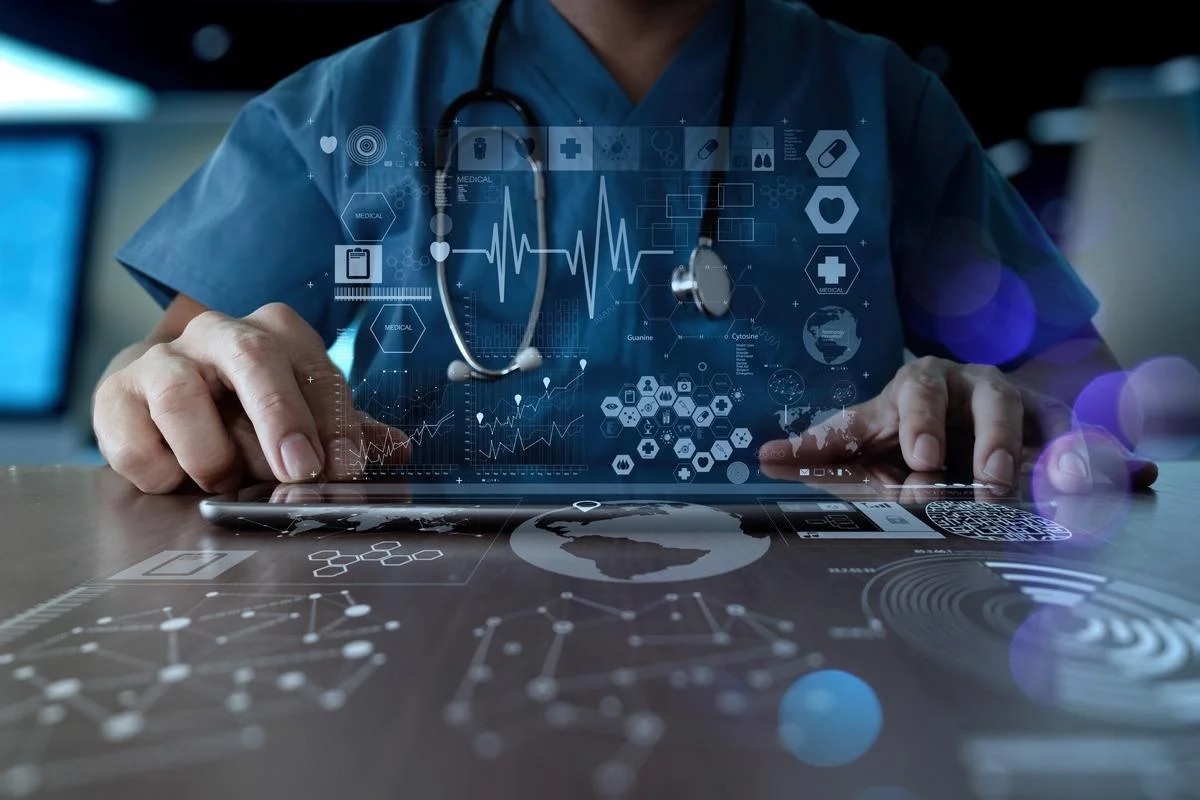
In today’s fast-paced and ever-evolving business landscape, the intersection of healthcare and technology is proving to be a transformative force. As industries strive for efficiency, innovation, and improved outcomes, the amalgamation of these two powerful sectors is reshaping the way companies operate and deliver value.
Choose reputable heat treatment companies for reliable and efficient heat treatment services, ensuring quality and consistency for your products.
1. Health Monitoring Solutions Revolutionize Employee Well-being
One of the most impactful outcomes of this intersection is the introduction of advanced health monitoring solutions in the workplace. Employers are leveraging wearable technology to track employees’ health metrics in real-time. These devices, ranging from smartwatches to health-oriented wearables, provide valuable data that can be used to enhance overall well-being. For instance, tracking stress levels, sleep patterns, and physical activity enables employers to implement targeted wellness programs, fostering a healthier and more productive workforce.
2. Telehealth Services Enhance Accessibility and Efficiency
Telehealth services have become a cornerstone in the convergence of healthcare and technology, offering businesses a convenient and efficient way to ensure employee health. Virtual consultations and remote healthcare services are increasingly popular, allowing employees to access medical advice without the need for in-person visits. This not only saves time for employees but also reduces healthcare costs for businesses, contributing to a more streamlined and accessible healthcare experience.
3. Big Data Analytics Revolutionizes Decision-Making Processes
The integration of big data analytics in healthcare is empowering businesses to make more informed decisions. By analyzing vast amounts of health-related data, companies can identify patterns, predict trends, and tailor their strategies accordingly. This data-driven approach is particularly valuable in risk assessment, enabling businesses to proactively address health issues before they escalate, ultimately reducing absenteeism and enhancing overall productivity.
4. AI-Powered Diagnostic Tools Improve Occupational Health
Artificial Intelligence (AI) is playing a pivotal role in transforming occupational health with its ability to analyze complex data sets rapidly. AI-powered diagnostic tools can assess health risks associated with specific job roles and environments. This proactive approach allows businesses to implement preventive measures, ensuring the well-being of their workforce and minimizing the impact of occupational health hazards.
5. Virtual Reality (VR) Training for Healthcare Professionals
In the training and development realm, the convergence of healthcare and technology is evident through the utilization of Virtual Reality (VR). Healthcare professionals can now undergo realistic and immersive training experiences, simulating complex medical procedures and scenarios. This not only enhances the skills of healthcare practitioners but also contributes to improved patient outcomes through more proficient and well-prepared professionals.
In conclusion, the fusion of healthcare and technology is reshaping the landscape of business industries. From innovative health monitoring solutions to AI-powered diagnostics, businesses are leveraging these advancements to foster a healthier, more productive workforce. As technology continues to advance, the potential for further transformative impacts on business industries is boundless. Embracing these changes ensures that companies stay at the forefront of a rapidly evolving and dynamic business environment.