

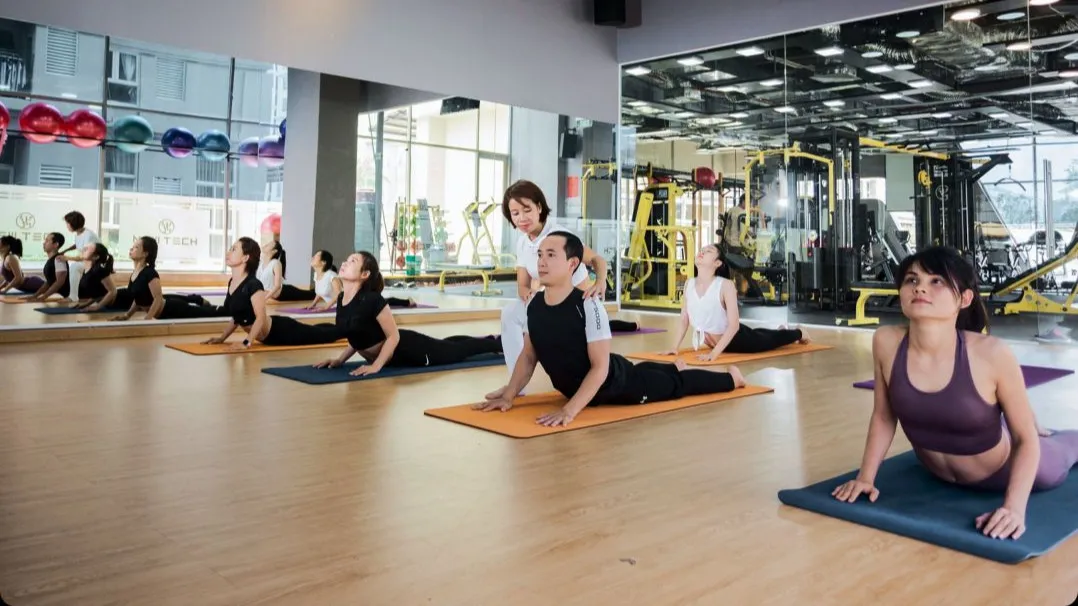
Workplace fitness can support movement and social connection, but an office team is not a uniform training group. Employees may include regular athletes, sedentary staff, people with disabilities, shift workers and colleagues returning after illness or injury. A class built around the fittest participants can exclude the people the programme was intended to reach.
Effective workplace workout classes need scalable movement, voluntary participation and clear separation between fitness data and employment decisions. The programme should fit Singapore work patterns, available space and the organisation’s actual objective. A lunchtime class, team-event preparation and long-term wellness programme require different designs.
Define the Business and Employee Purpose
The organiser should identify why the class exists. Possible aims include providing movement breaks, supporting a charity event or improving access to structured exercise.
Vague promises about productivity or healthcare savings can create unrealistic expectations.
The purpose determines format, duration and measurement. A social movement session should not quietly become a high-intensity fitness test.
Participation Should Be Voluntary
Employees may have medical, religious, family or personal reasons for declining. Making participation compulsory can create privacy and inclusion concerns.
Alternative roles or activities should be meaningful rather than punitive.
Managers should avoid ranking teams by individual fitness performance. Workplace authority can make apparently friendly pressure difficult to refuse.
Screening Must Protect Privacy
A basic readiness process can identify who may need medical guidance or a modified option.
Health information should be collected only when necessary and handled by appropriate people. Employees should not disclose injuries in front of colleagues.
Managers usually need operational information, not individual medical details.
Mixed Ability Requires a Scaling System
The class can use one movement theme with several levels. Participants may all perform a squat pattern using different ranges, supports or resistance.
Scaling options can include:
- lower impact;
- shorter work periods;
- longer recovery;
- reduced range;
- stable support;
- lighter resistance;
- a different body position.
Options should be presented neutrally, not as public categories of strong and weak.
Singapore Work Schedules Need Flexibility
Lunchtime classes compete with meals, changing and travel between buildings. Evening sessions may clash with overtime and family responsibilities.
A short coached class can be supported by a recorded mobility option or an alternative session for shift-based staff.
The timetable should not assume that office employees all work the same hours.
Space Must Be Assessed Professionally
A meeting room may contain slippery flooring, low lights and furniture that cannot be moved safely.
The organiser should check:
- usable floor area;
- ventilation;
- emergency access;
- ceiling clearance;
- privacy;
- changing facilities;
- noise transfer;
- equipment storage.
The class capacity should reflect movement space, not the room’s seated-meeting limit.
Clothing Expectations Affect Access
Employees may avoid participating if the class requires specialist clothing or a complete change.
A low-impact movement session may be designed for normal active clothing, while a high-intensity class needs proper footwear and changing time.
The invitation should state requirements clearly so participants can decide and prepare.
The Instructor Needs Workplace Context
An instructor should know group size, experience range, session objective and available facilities.
They also need a contact for emergencies and operational problems.
Corporate enthusiasm should not pressure the instructor to use unsafe competitions or ignore participant limits.
Class Intensity Should Match the Workday
A punishing lunchtime session may leave employees uncomfortable for afternoon duties. A moderate class can still provide meaningful movement.
If the programme includes higher intensity, participants need time to cool down, change and eat.
The organiser should consider whether the session supports the workday rather than simply fitting into the calendar.
Team Competition Needs Guardrails
Competition can increase engagement but may reward unsafe speed or expose ability differences.
Team scoring can focus on participation, coordination or completion rather than maximum repetitions.
Activities should not require colleagues to lift or physically support one another unless specifically designed and supervised.
Remote and Hybrid Staff Need Equivalent Access
A live office class may exclude employees working from home or another location.
A recorded or streamed option can improve access, but it cannot assess the home environment or individual technique fully.
Remote participants should receive space requirements, equipment guidance and a lower-risk format.
Heat and Travel Between Offices Matter
Employees may walk outdoors or use public transport before the class. Singapore’s climate can increase thirst and perceived effort.
Water access and cooling time should be available. The class should not use heavy sweating as its main success measure.
Outdoor corporate sessions need additional weather and heat planning.
Programme Measurement Should Be Proportionate
Attendance and anonymous satisfaction feedback may be enough for a general wellness class.
Collecting body weight, heart rate or health scores can be intrusive and may not answer the programme question.
Individual fitness data should never become an informal measure of job commitment or performance.
Consistency Matters More Than Launch Excitement
A one-off event can attract attention, but long-term value requires a dependable timetable and instructor standard.
The organisation should budget for communication, space, equipment and programme review.
Repeated cancellations weaken trust and make employees less likely to plan around the class.
Referrals Must Be Available
The instructor can adapt general exercise but cannot diagnose injuries or manage every medical condition.
Participants with pain, concerning symptoms or complex restrictions may need healthcare advice.
Referral should be treated as responsible practice, not exclusion from workplace wellness.
Link Workplace and Gym Options Carefully
Some employees may want more training than the office can provide. The programme can explain how a workplace session complements gym strength, cardio or classes.
Communication Should Set Expectations Before Launch
The invitation should explain the class purpose, intensity, clothing, voluntary status and available alternatives. Employees need enough information to decide without asking health questions in a public team channel.
Managers should avoid language that suggests attendance proves commitment, resilience or team loyalty. The organiser can encourage participation while making refusal genuinely acceptable.
A named operational contact should handle booking and schedule questions. Health concerns should go to the appropriately qualified instructor or healthcare professional rather than a line manager.
Pilot Sessions Reveal Practical Problems
A small pilot can test room capacity, changing time, cue audibility and employee response before the programme expands.
The review should ask whether options were understandable, the session fit the workday and participants had enough privacy. Feedback can be anonymous where appropriate.
The pilot is not a fitness test. It is an operational test of whether the proposed class works within the organisation.
Emergency Planning Cannot Be Assumed
The instructor and organiser should know how to contact first aid, identify the building location and keep exits clear. Attendance information may be needed for emergencies without becoming a permanent fitness record.
Equipment and bags should not block office evacuation routes. Any incident should follow established workplace procedures.
When organisations explore class support through True Fitness Singapore, they can discuss group size, ability scaling and whether facility-based sessions would be more suitable than adapting an office room.
Workplace classes succeed when employees can participate without pressure, disclose only necessary information and choose a meaningful level. Good design supports movement while respecting the professional environment.
Frequently Asked Questions
Should workplace workout classes be compulsory?
No. Voluntary participation and meaningful alternatives reduce health, privacy and inclusion concerns.
Can managers receive individual fitness results?
Usually they need only operational or aggregated information. Individual health and performance data requires a legitimate purpose and appropriate consent and controls.
How long should a lunchtime workplace class last?
The answer depends on changing, meal and work schedules. A shorter class with enough preparation and recovery time is often more practical.
Can one class serve employees with very different abilities?
Yes, when exercises are scalable, the group size permits supervision and options are treated as normal parts of programming.
Is a meeting room suitable for exercise?
Only after assessing floor grip, space, ventilation, furniture, exits and noise. A room designed for meetings is not automatically safe for movement.